Best Sources of Protein, Carbs and Fats for CrossFit Athletes
How to fuel your performance with the right macronutrients
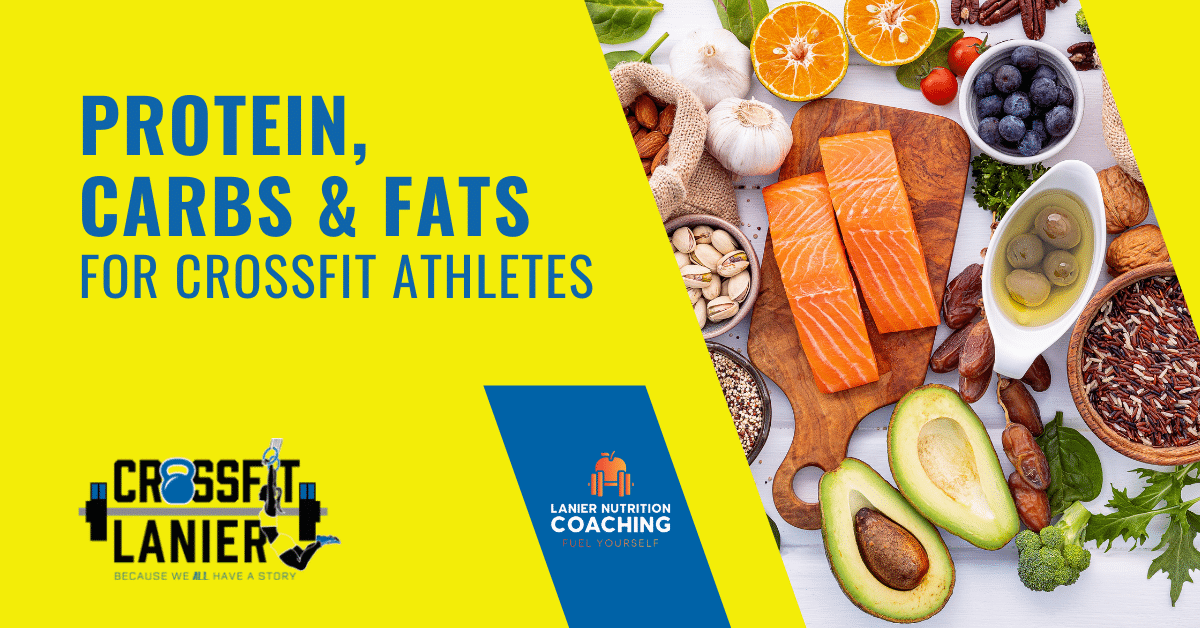
CrossFit athletes require a well-balanced diet to fuel their high-intensity workouts and support recovery. The three primary macronutrients—protein, carbohydrates, and fats—are crucial in maintaining your energy levels, building muscle, and promoting overall health. Here are some of the best sources of protein, carbs, and fats that can enhance your CrossFit performance, and how much you need of each to achieve your fitness goals.
Understanding Macronutrients
Before diving into the best sources of macronutrients for CrossFit, it's essential to understand their roles in your diet:
- Protein: Vital for muscle repair, growth, and recovery. It provides the building blocks (amino acids) to repair muscle fibers damaged during intense workouts.
- Carbohydrates: The primary energy source for high-intensity exercise. Carbs are stored as glycogen in muscles and liver and are quickly mobilized during workouts.
- Fats: Important for long-term energy, hormone production, and overall cellular function. Healthy fats support sustained energy and aid in the absorption of fat-soluble vitamins.
Best Sources of Protein for CrossFit Athletes
Of the three, arguably the most important macro to pay attention to as a CrossFit athlete is protein. Protein is essential for muscle repair and growth.
Chicken Breast — A lean source of protein, low in fat and rich in essential amino acids. (Per 100g: 31g protein, 3.6g fat, 0g carbs)
Eggs — A complete protein source containing all nine essential amino acids. Also rich in B vitamins, choline, and selenium. (Per large egg: 6g protein, 5g fat, 1g carbs)
Greek Yogurt — An excellent source of protein and probiotics supporting gut health. Opt for plain, unsweetened varieties. (Per 170g serving: 15g protein)
Salmon — Rich in protein and provides omega-3 fatty acids with anti-inflammatory properties. (Per 100g: 20g protein, 13g fat)
Tofu — A great plant-based protein source for vegetarians and vegans. (Per 100g: 8g protein, 4g fat, 2g carbs)
Best Sources of Carbs for CrossFit Athletes
Carbohydrates are your body's primary energy source, especially during high-intensity workouts. Without sufficient carbs, you can quickly hit a wall, experiencing fatigue and decreased performance.
Sweet Potatoes — A nutrient-dense source of complex carbohydrates with fiber, vitamins, and minerals like vitamin A and potassium. (Per 100g: 20g carbs, 1.6g protein, 0.1g fat)
Oats — A great source of complex carbohydrates and beta-glucan fiber that supports heart health. (Per 100g: 66g carbs, 17g protein, 7g fat)
Quinoa — A complete protein and an excellent source of carbs, rich in fiber, magnesium, and antioxidants. (Per 100g cooked: 21g carbs, 4g protein, 2g fat)
Bananas — A quick and easy source of carbohydrates, rich in potassium to help prevent muscle cramps. (Per medium banana: 27g carbs, 1.3g protein)
Brown Rice — A whole grain that provides long-lasting energy, fiber, vitamins, and minerals. (Per 100g cooked: 23g carbs, 2.6g protein, 0.9g fat)
Best Sources of Fats for CrossFit Athletes
As a CrossFit athlete, healthy fats serve as a crucial source of long-lasting energy, especially during prolonged workouts and recovery periods. Fats help in the absorption of essential vitamins like A, D, E, and K, and are important for hormone production.
Amanda Wright of Lanier Nutrition Coaching teaches that "healthy fats can ensure sustained energy, optimal health, and the necessary support for your intense training regimen."
Avocados — A rich source of monounsaturated fats, fiber, potassium, and vitamins C, E, and K. (Per 100g: 15g fat, 9g carbs, 2g protein)
Nuts and Seeds — Almonds, walnuts, chia seeds, and flaxseeds are excellent sources of healthy fats, protein, and fiber. (Per 100g almonds: 49g fat, 22g carbs, 21g protein)
Olive Oil — Known for its heart-healthy monounsaturated fats and antioxidants. (Per tablespoon: 14g fat)
Fatty Fish — Salmon, mackerel, and sardines are rich in omega-3 fatty acids with anti-inflammatory properties. (Per 100g mackerel: 13g fat, 19g protein)
Coconut Oil — A source of medium-chain triglycerides (MCTs), which are easily digested and provide a quick source of energy. (Per tablespoon: 14g fat)
A Nutrition Plan for CrossFit Athletes
Here's a sample meal plan that incorporates the best sources of protein, carbs, and fats:
Breakfast: Oatmeal topped with berries, chia seeds, and a drizzle of honey. Scrambled eggs with spinach and avocado.
Mid-Morning Snack: Greek yogurt with a handful of almonds and a banana.
Lunch: Grilled chicken breast with quinoa and a side of roasted vegetables. A mixed green salad with olive oil and lemon dressing.
Afternoon Snack: Apple slices with peanut butter. A small serving of smoked salmon on whole grain crackers.
Dinner: Baked salmon with sweet potatoes and steamed asparagus. A side of brown rice and a mixed green salad.
Evening Snack: Cottage cheese with a sprinkle of flaxseeds and a few walnuts.
At Lanier Strength & Conditioning, we understand the importance of proper nutrition in achieving your fitness goals. We offer specialized nutrition coaching through Lanier Nutrition Coaching. Join us today and take the first step towards a healthier, stronger you!